


The sports industry is on the brink of a revolution. As we move into 2025, advancements in artificial intelligence (AI), phygital games, and innovative athletic technology are reshaping the way sports are played, experienced, and consumed. From AI-driven training programs to virtual reality sports experiences, the integration of technology is enhancing athlete performance and fan engagement like never before.
This article explores how AI, phygital gaming, and cutting-edge innovations will define the future of sports in 2025, transforming both traditional and emerging sports sectors.
1. AI-Powered Training and Performance Optimization
AI in Athlete Training
Artificial intelligence in sports has become a game-changer for athletes and coaches. AI-driven performance analytics provide real-time feedback on player movements, strengths, and weaknesses. Wearable AI-powered devices, such as smart sensors, GPS trackers, and biomechanical analysis tools, offer detailed data to improve stamina, agility, and recovery time.
In 2025, machine learning algorithms will enable coaches to customize training programs based on individual performance metrics. AI will predict injuries before they happen, optimizing load management and preventing overtraining. Platforms like Hawk-Eye, Second Spectrum, and AI-integrated smart wearables are already leading the way in revolutionizing sports performance.
AI-Enhanced Decision-Making in Sports
Refereeing decisions have always been a controversial aspect of sports. AI-assisted refereeing systems will become more prevalent in 2025, improving the accuracy of decision-making in sports such as football (VAR), basketball, and tennis. AI-powered automated cameras and real-time analytics will minimize human errors, ensuring fair play and accurate officiating.

2. The Rise of Phygital Games: Blending Physical and Digital Sports
What Are Phygital Games?
A phygital sport combines the physical and digital world, offering a hybrid sports experience that integrates augmented reality (AR), virtual reality (VR), and esports elements. This concept is rapidly gaining traction, making traditional sports more interactive and immersive.
Examples of Phygital Sports in 2025
- Virtual Reality Sports Training – Athletes can now simulate real-game scenarios using VR headsets, allowing for enhanced strategic preparation and mental conditioning.
- Connected Fitness & Smart Equipment – Smart treadmills, AI-powered boxing simulators, and interactive fitness mirrors bring gamification into workouts, making them more engaging.
- Augmented Reality Fan Experience – Sports stadiums are integrating AR overlays, providing live data, stats, and interactive elements for fans during matches.
- Esports and Traditional Sports Merge – With the rise of FIFA Esports, NBA 2K League, and virtual racing, the line between physical sports and esports continues to blur.
In 2025, phygital sports will become mainstream, allowing fans and players to experience sports in new and engaging ways.
3. Smart Stadiums and Enhanced Fan Engagement
AI-Powered Stadiums
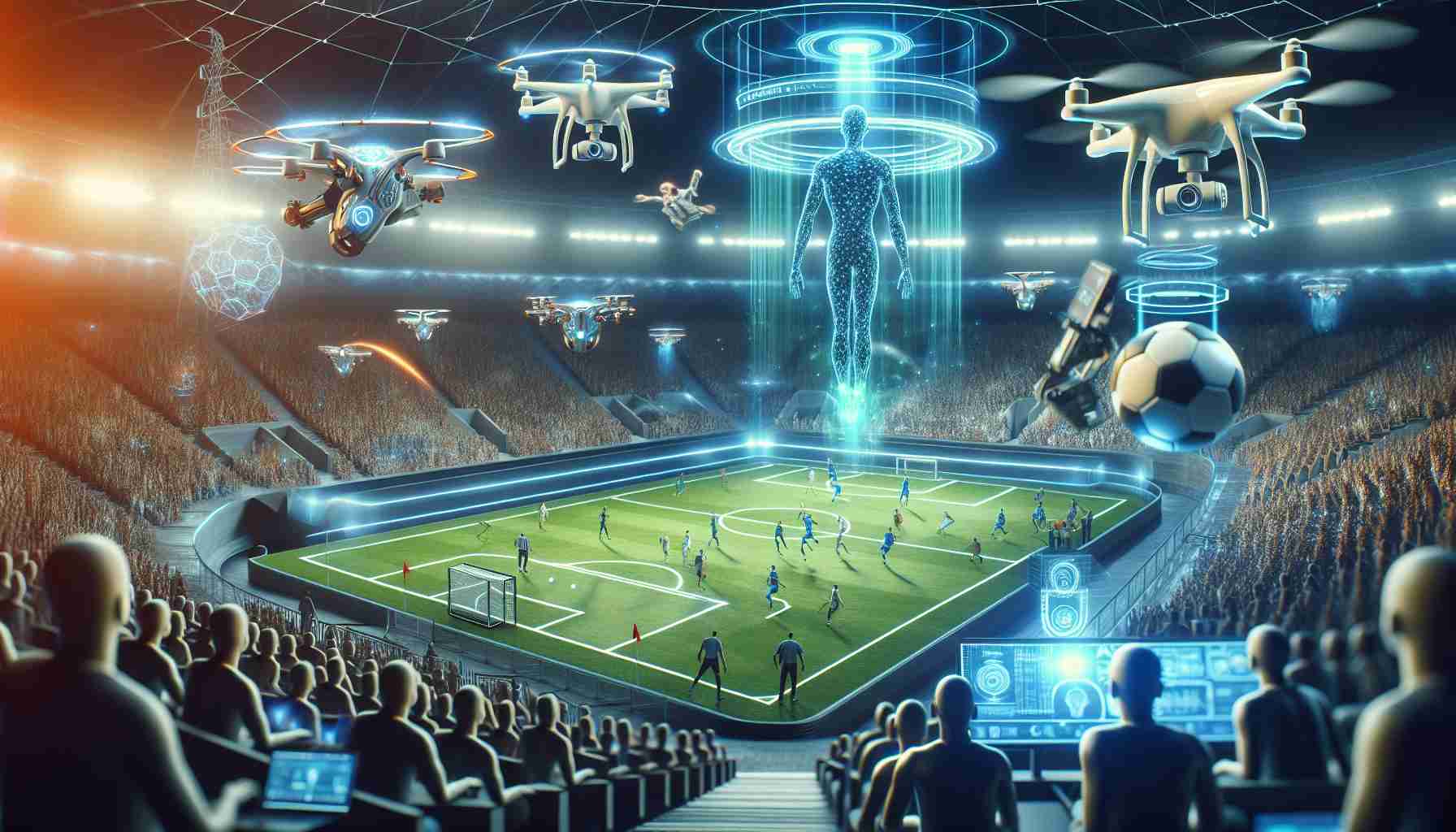
The stadium experience is undergoing a transformation with AI-driven ticketing, facial recognition, and automated services improving the fan experience. Smart stadiums are being equipped with 5G connectivity, holographic replays, and AI-driven security systems to ensure a seamless event experience.
Metaverse Sports Arenas
In 2025, metaverse sports will allow fans to experience games virtually through VR and AR technology. Fans will be able to attend matches from home, interact with other fans in virtual stadiums, and even purchase NFT-based digital memorabilia.

4. Advanced Wearable Technology and Biomechanics in Sports
Smart Wearables and Athlete Performance
Wearable technology in sports is evolving rapidly. Smart fabrics, AI-powered compression gear, and biometric-tracking wristbands help monitor real-time heart rate, hydration levels, and fatigue. AI-powered shoes and apparel will enhance speed, endurance, and comfort, providing personalized performance insights to athletes.
Biomechanics and Robotics in Sports Medicine
Injury prevention and recovery are critical for athletes. AI-integrated biomechanics will revolutionize sports rehabilitation, helping athletes recover faster with robotic exoskeletons, muscle-stimulation technology, and AI-driven physical therapy programs.
5. The Role of AI in Sports Broadcasting and Fan Engagement
AI-Generated Sports Commentary
AI is transforming sports broadcasting with automated sports commentary, real-time data visualization, and personalized match highlights. AI-powered sports journalism is providing instant game analysis, revolutionizing how fans consume sports content.
Immersive Fan Experiences
- Interactive Streaming Platforms – Fans can customize their viewing experience, choosing multiple camera angles, instant stats, and AI-generated insights.
- Personalized Content Recommendations – AI-based algorithms will suggest tailored sports content based on user preferences, making fan engagement more immersive.
6. Sustainability and Green Innovation in Sports
Eco-Friendly Stadiums
As sports organizations prioritize sustainability, carbon-neutral stadiums, solar-powered arenas, and eco-friendly sports gear will become standard in 2025. AI-driven energy management systems will optimize electricity and water consumption, reducing the environmental impact of major sporting events.
Sustainable Sportswear
Brands like Nike, Adidas, and Puma are already leading the way in developing recycled and biodegradable sportswear. AI in sports will push eco-friendly athletic apparel further in 2025.
The Future of Sports is Smart, Immersive, and Sustainable
The future of sports in 2025 is being shaped by AI-powered analytics, phygital sports experiences, smart wearables, and sustainable innovation. As artificial intelligence, virtual reality, and sports technology continue to advance, athlete performance, fan engagement, and sports broadcasting will reach new heights.
With the rise of phygital games, AI-driven athlete training, and immersive fan experiences, sports are entering a new era of technological excellence. Whether you’re a player, coach, or fan, the sports industry of 2025 promises an exciting blend of technology, competition, and entertainment.

